Traditional Greek Ingredients and Their Properties
Greek cuisine relies on ingredients that have been part of Mediterranean agriculture for centuries. This exploration examines the nutritional composition and properties of key Greek food ingredients from a scientific perspective.
Olive Oil: Composition and Properties
Olive oil constitutes the foundation of Greek cooking and food preparation. The primary fatty acids in olive oil are monounsaturated, particularly oleic acid, which comprises approximately 70% of olive oil's fatty acid content. This composition distinguishes olive oil from other cooking oils.
Beyond fatty acids, olive oil contains polyphenolic compounds that have been studied for antioxidant and anti-inflammatory properties. These compounds include hydroxytyrosol, oleocanthal, and oleuropein. The concentration of polyphenols varies based on olive variety, harvest timing, and extraction method.
Extra virgin olive oil, produced through mechanical means without chemical refinement, retains higher polyphenol content compared to refined olive oils. The sensory attributes of olive oil—flavor and aroma—partly result from these polyphenolic compounds.
Legumes: Protein and Nutrient Density
Legumes including lentils, chickpeas, and various beans feature prominently in traditional Greek cuisine. These foods provide plant-based protein, containing approximately 20-25% protein by dry weight along with all essential amino acids, though some amino acid ratios differ from animal proteins.
Legumes are exceptional sources of dietary fiber, with both soluble and insoluble fiber types present. They provide resistant starch, which functions similarly to fiber in terms of digestive effects. Legumes also contain complex carbohydrates with lower glycemic indices compared to refined grain products.
Mineral content in legumes includes iron, zinc, magnesium, and manganese. Though bioavailability of these minerals is somewhat reduced by phytate content, traditional preparation methods including soaking and cooking reduce phytate levels, improving mineral absorption.
Mediterranean Vegetables: Micronutrient Profiles
Tomatoes, which became integrated into Greek cuisine following their introduction from the Americas, provide lycopene and other carotenoids. Lycopene, the red pigment in ripe tomatoes, has been studied for antioxidant properties. Cooking tomatoes increases lycopene bioavailability.
Eggplant, another Mediterranean staple, contains anthocyanins and other polyphenolic compounds contributing to its purple coloration. These compounds possess antioxidant properties and may influence various physiological processes.
Leafy greens including spinach and various wild greens common in Greek cuisine provide lutein, zeaxanthin, folate, and other micronutrients. The oxalate content in some greens influences mineral bioavailability but is reduced by cooking.
Seafood and Marine Proteins
Greece's Mediterranean geography provides ready access to diverse seafood. Fish and shellfish provide high-quality complete proteins containing all essential amino acids in appropriate ratios. Additionally, seafood provides omega-3 polyunsaturated fatty acids, particularly EPA and DHA.
Small fish species consumed whole, including bones, provide bioavailable calcium. Seafood also provides iodine, selenium, and other minerals important for thyroid function and various enzymatic processes. Different fish and shellfish species have varying nutritional profiles.
Traditional Greek preparations emphasize the quality of ingredients rather than processing or additives, allowing the nutritional benefits of fresh seafood to remain intact.
Feta Cheese: Calcium and Fermented Products
Feta cheese, a traditional Greek product, provides protein and bioavailable calcium important for bone health. The fermentation process creates beneficial metabolites and may enhance digestibility compared to non-fermented dairy products.
Feta is typically consumed in smaller portions as a flavoring component rather than a primary protein source, which aligns with general dietary patterns. The flavor intensity of feta allows meaningful culinary contributions from modest quantities.
Fermented dairy products including feta contain various bacterial species and compounds that may influence gut microbiota composition, though individual responses vary significantly.
Herbs and Spices: Flavor and Bioactive Compounds
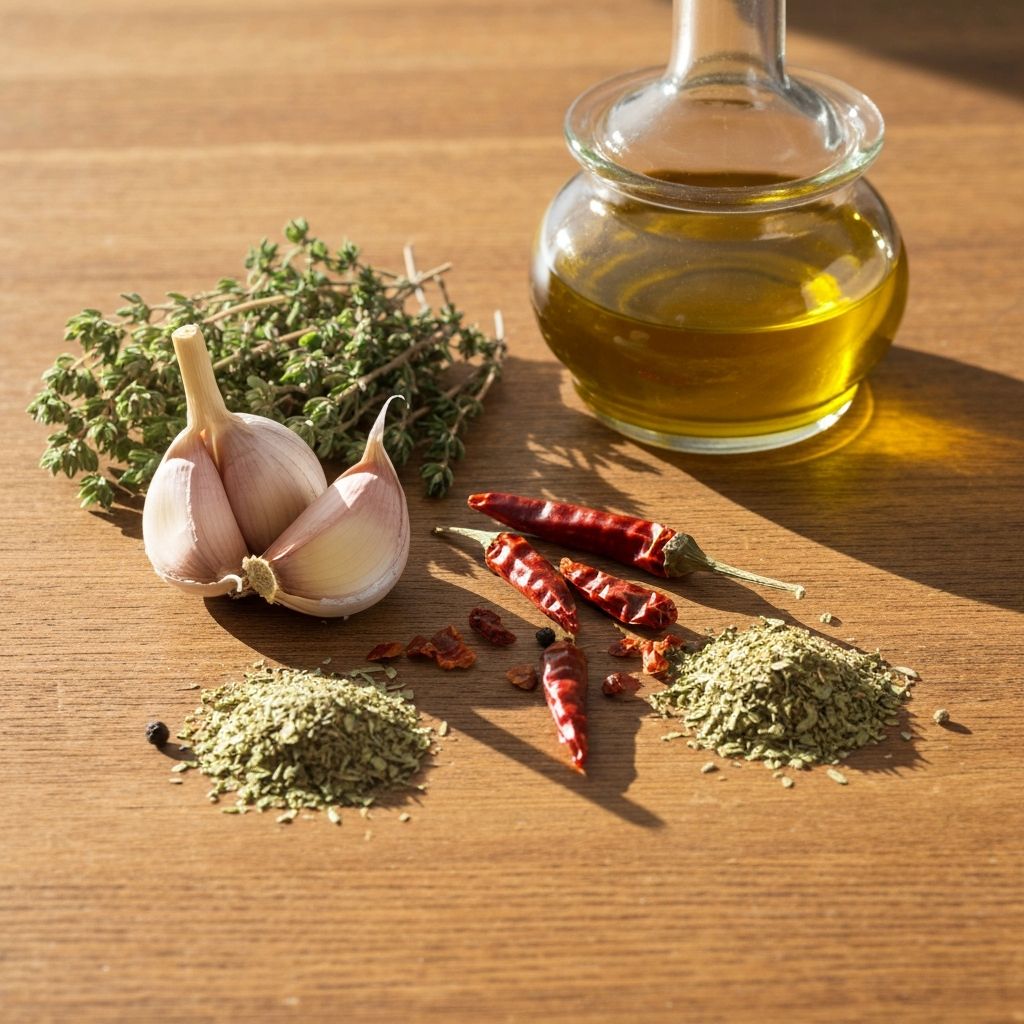
Greek cuisine incorporates oregano, thyme, rosemary, and other Mediterranean herbs traditionally. These herbs contain volatile oils and polyphenolic compounds responsible for their flavor and aroma. Many of these compounds have been studied for antimicrobial and antioxidant properties.
Oregano particularly contains carvacrol and thymol, compounds with demonstrated antimicrobial activity. Garlic contains allicin and related compounds formed when cells are damaged through cutting or crushing. These compounds have been extensively studied for various biological activities.
The use of herbs and spices in traditional cooking serves both culinary and potentially physiological functions. Controlled studies examining health effects of herbs and spices in typical dietary quantities show modest effects, highlighting the importance of context within overall dietary patterns.
Whole Grains in Mediterranean Context
Traditional Greek bread and pasta were historically made from whole grain flours containing bran and germ. Whole grains provide B vitamins, minerals, and fiber compared to refined grain products. The glycemic response to whole grains differs substantially from refined alternatives.
Barley and other ancient grain varieties cultivated in Mediterranean regions contain beta-glucan soluble fiber with documented metabolic effects. The nutritional advantages of whole grains over refined products are well-established in scientific literature.
Explore Related Topics
Discover more about Mediterranean nutrition and body weight science.
Disclaimer: The materials presented on this website are provided for informational purposes only and do not constitute medical advice, diagnosis, or treatment. Individual responses to diet and lifestyle may vary significantly. Always consult appropriate sources for personalized guidance.